

It was built on the fourth of Istanbul's seven hills. The mosque was built on the remains of the Church of the Holy Apostles, the patriarchal church of the Eastern Roman Empire.
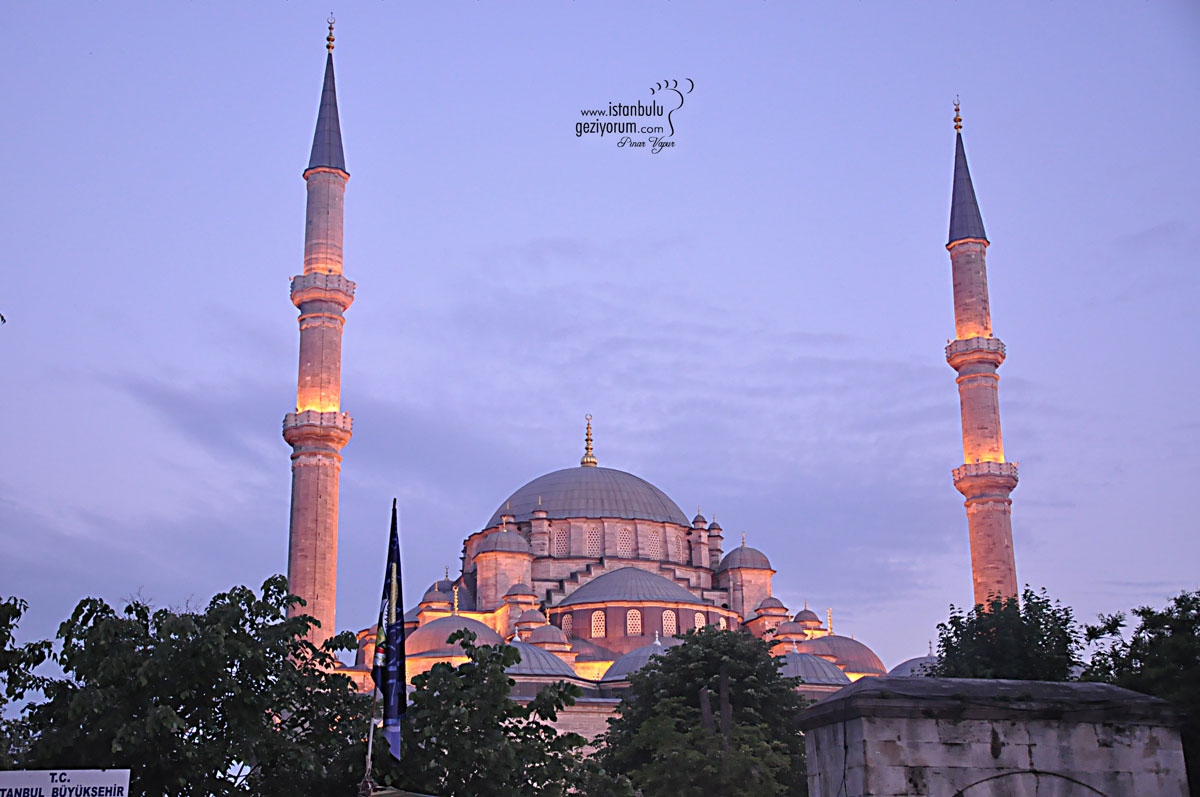
It was built on the fourth of Istanbul's seven hills. The mosque was built on the remains of the Church of the Holy Apostles (Havariyyun), the patriarchal church of the Eastern Roman Empire. It is one of the first examples of complexes in Istanbul, which quickly took on an Islamic identity after the conquest. Unfortunately, we do not have much information about the architecture of the first building, built by Fatih between 1461 and 1470 and almost completely destroyed in the 1766 earthquake. We know that its architect was Atik Sinan. He was a freed Christian slave. One of the beautiful stories told about the mosque is the incident between the architect Atik Sinan and Fatih.
According to Evliya Çelebi, Fatih, angered by a misconduct of the architect during the construction of the mosque, is said to have had one of Atik Sinan's fingers cut off. The essential part of the story is what happened next. The architect whose finger was cut off complained about Fatih to the kadı (judge) of Istanbul, and the kadı summoned Fatih before him. Finding Fatih in the wrong, the kadı ruled that Fatih Sultan Mehmed's finger should also be cut off. Seeing this, the architect was almost horrified in the face of this justice and cried out that he was withdrawing his case; but when the kadı insisted on the ruling, saying that public law had been violated, the ruling was overturned when the plaintiff Atik Sinan said he would agree to be paid a lifelong salary. After the architect left the courtroom, Fatih drew a sword from under his kaftan and said to the kadı, "If you had shown me favour because I am the sultan, I would have cut off your head with this sword." The kadı, in turn, took a mace from under the cushion he was sitting on and replied to Fatih, "And if you had relied on your sultanate and attempted to trample on right and law, I would have smashed your head with this mace."
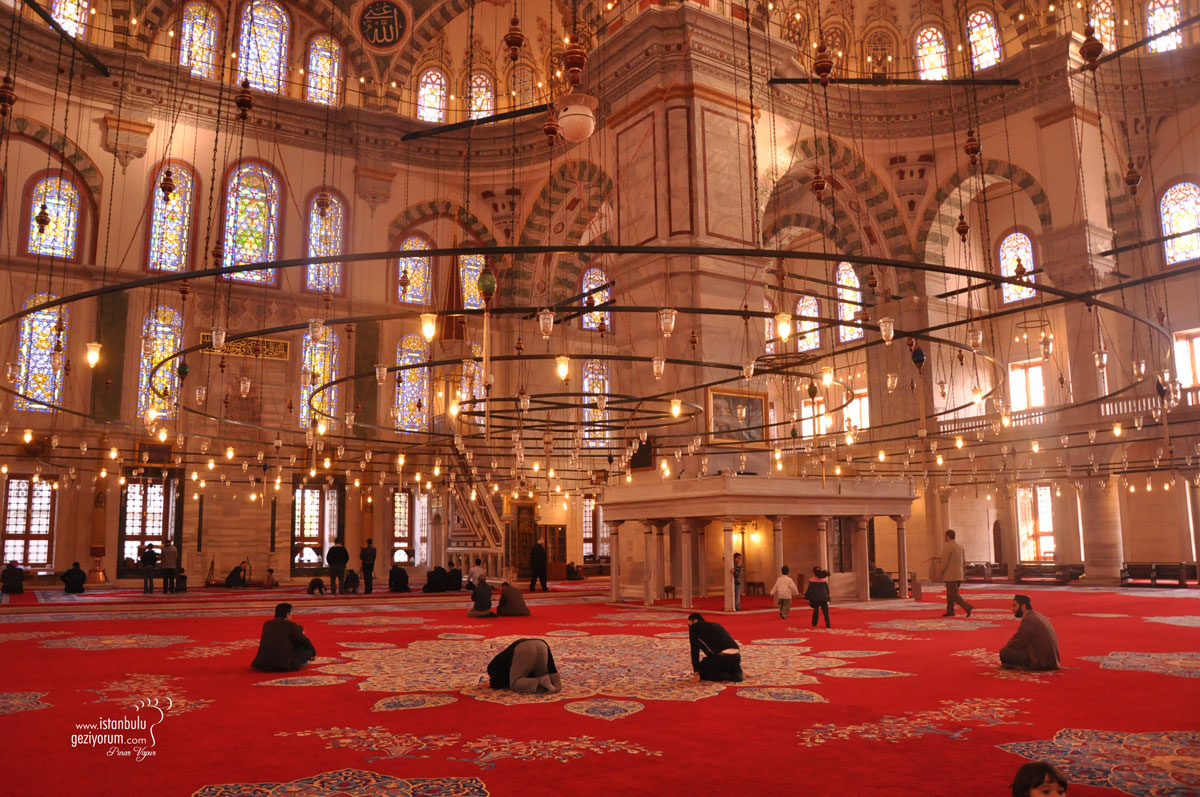
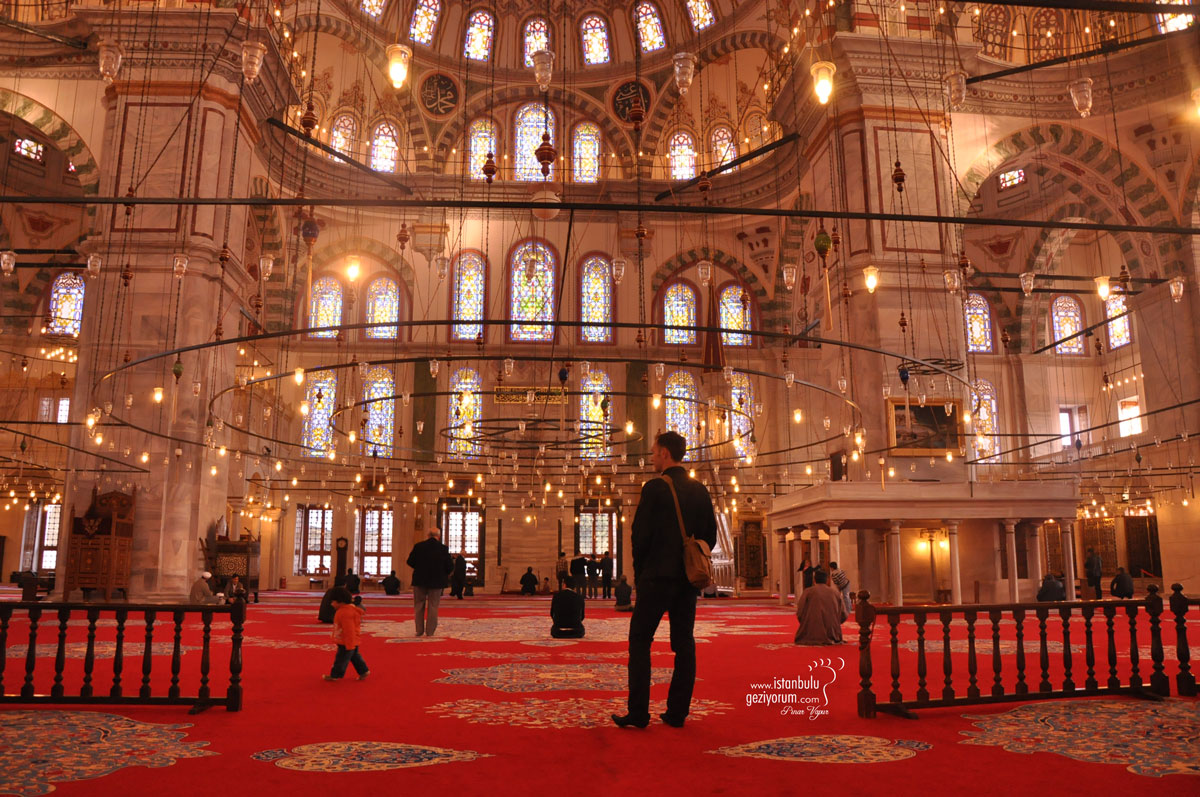
The mosque, almost completely destroyed in the great Istanbul earthquake of 1766, took its present form during the reign of Sultan Mustafa III. It was built in 1771 by the famous architect Mehmet Tahir Ağa. It bears the baroque architectural features of the period.
The complex, whose core is the mosque, was built on a very large area. It was built as a madrasa, school, library, soup kitchen, caravanserai, guesthouse, hospital and hamam. Today some of them no longer exist. The mosque courtyard is entered through two tall and magnificent gates. In its centre is a cone-shaped ablution fountain with eight angular marble columns. On the wall where the entrance is, there are the Basmala and the Fatiha in their magnificent appearance, written by the calligrapher Ali bin Safi. Its large dome, twenty-six metres in diameter and resting on four large marble columns, is supported by four half-domes. It has two minarets with two balconies each.
There are eight madrasas in the complex part of the mosque. Fatih's madrasas were quite renowned in this respect. Being a student or teacher (müderris) here was a privilege. The madrasas are called the Mediterranean (Akdeniz) and Black Sea (Karadeniz) madrasas. The names of the Mediterranean madrasas (on the southern side) are Akdeniz, Başkurşunlu, Çiftekurşunlu and Ayakkurşunlu. There were also the Tetimme and Semaniye madrasas. These no longer exist today. In the large courtyard with two entrances from the front façade, the madrasas close off the courtyard on three sides in blocks.
The tiles in the late-comers' portico of the mosque are very valuable, because this tile colour could never be achieved again later. There is also a small fountain inside the mosque in this section. When and for what purpose it was built is not known. The entrance to the sultan's lodge, built during the time of Mustafa III on the northwest side, also gives the mosque a distinct atmosphere.
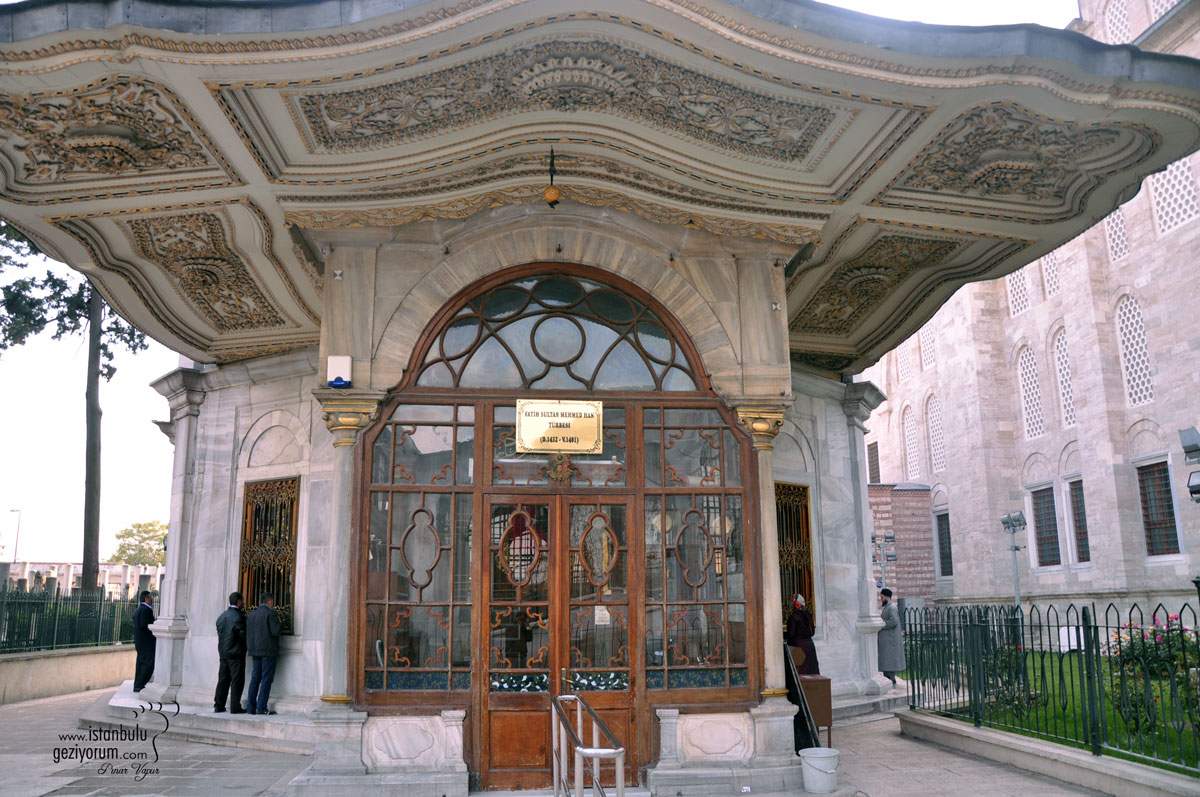
As in other imperial mosques, there are tombs in the cemetery section of the mosque. Fatih Sultan Mehmed lies alone in his tomb. The tombs of Fatih's wife Gülbahar Sultan and Abdülhamid I's wife Nakşıdil Sultan are also here. In this section there is also the tomb of a hero everyone knows well, Gazi Osman Paşa, the Hero of Plevne. There are also the tombs of ministers and sultans who served in the last periods of the Ottoman Empire.
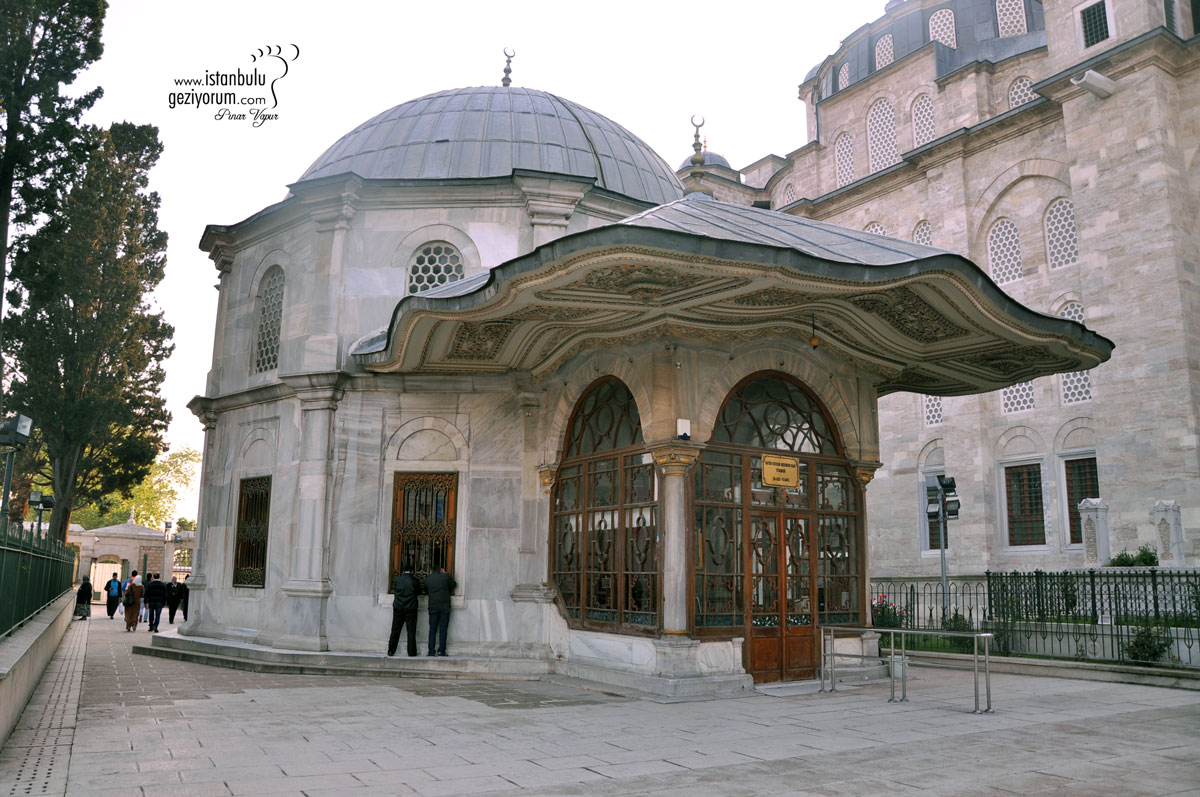
Source: İstanbul Gezi Rehberi


