
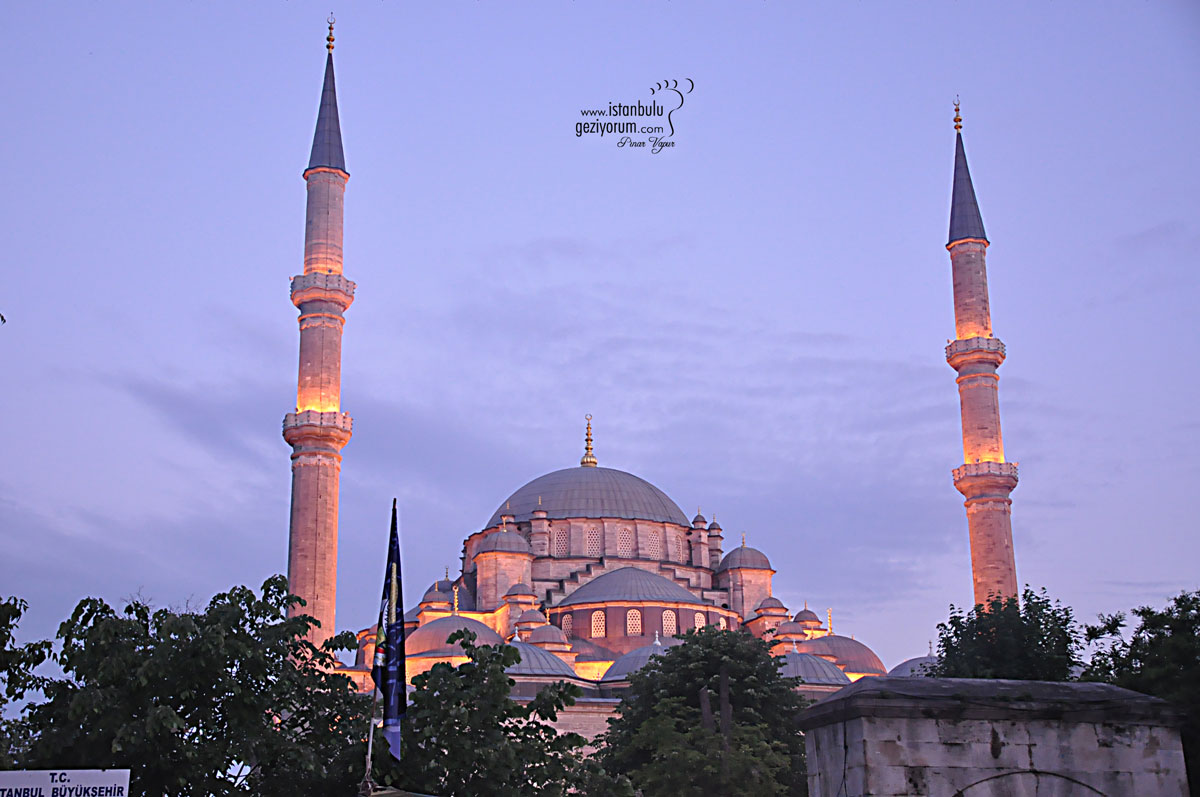
Fatih Mosque, located in Istanbul’s historic Fatih district, is one of the most significant landmarks of the Ottoman era. Commissioned by Sultan Mehmed II (Mehmed the Conqueror), the mosque was constructed between 1463 and 1470 on one of Istanbul’s seven hills, symbolizing the city’s new Ottoman identity after the conquest.
The original Fatih Complex (külliye) was exceptionally vast, featuring 16 madrasas, a hospital (dârüşşifâ), guesthouse (tabhane), public kitchen (imaret), library, and bathhouse. A devastating earthquake in 1766 destroyed the original mosque, and it was rebuilt in 1771, resulting in the architectural form seen today.
One of the most intriguing features of Fatih Mosque is the historic well located within the mosque complex. Believed to date back to the Roman period, this well has been part of the city’s water network for centuries.
According to historical accounts and local tradition:
This hidden detail makes the Fatih Mosque more than an architectural site—it becomes a living link between Roman Constantinople and Ottoman Istanbul.
Address: Fevzipaşa Caddesi, Fatih, Istanbul 34083, Türkiye
The mosque is easily accessible and located at the heart of Istanbul’s historic peninsula, making it an essential stop for anyone exploring the city’s spiritual and cultural layers.


